until 7 February 2027
Today open from to
Choose a location


Today open from to
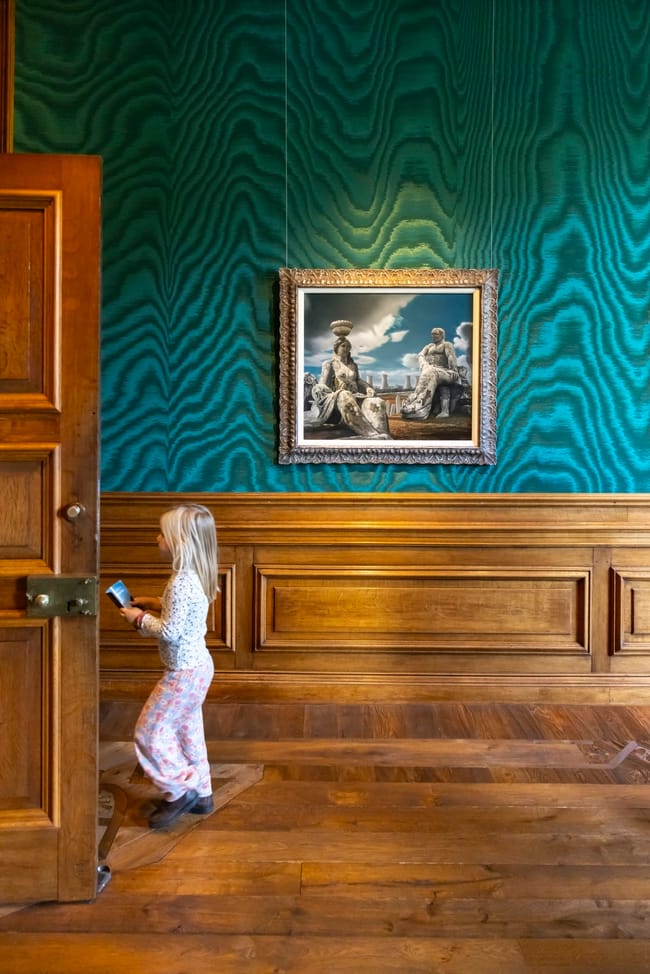
The presentation at Kasteel Ruurlo shows the development of an artist in search of his own voice, who later evolves into a painter of a technically flawless, elegant, and enigmatic oeuvre. The collection in the castle is rotating, but masterpieces by the great painter are always on display.
Want to get in the mood? From an early age, Willink loved classical music. He admired everything by Rachmaninoff, whom he had once seen perform. In his studio he often listened to classical music on the radio, as well as to piano playing by his second wife Wilma. The playlist for this exhibition was curated with thanks to his widow Sylvia Willink. Listen to the special Spotify playlist.
From an early age, Carel Willink came into contact with painting. His father—an unusual combination for the time, as he was both a car dealer and an amateur painter—encouraged his son’s love of art. After struggling to find his path in studies of engineering and medicine, Willink left to become a painter. His parents were initially not enthusiastic, as an artist’s life could mean poverty.
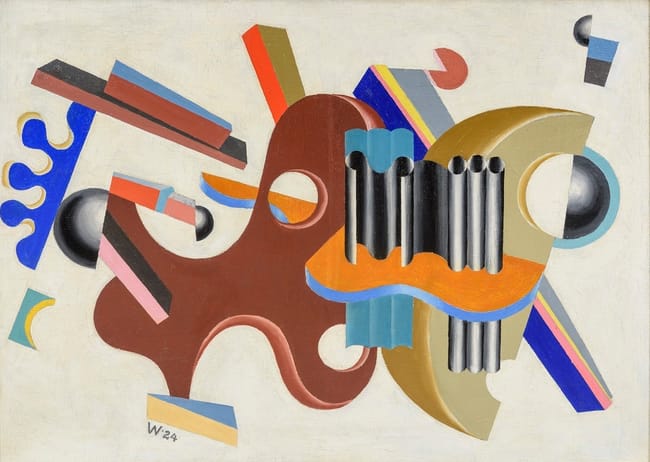
Around 1920, when he traveled to Germany, he encountered the avant-garde in Berlin. He studied at the International Free Academy. As an artist in search of direction, he tried everything: Expressionism, Dadaism—nothing was off limits. Later he said: “I experimented with almost every ‘ism’. After every two, three, four paintings, I would change direction.”
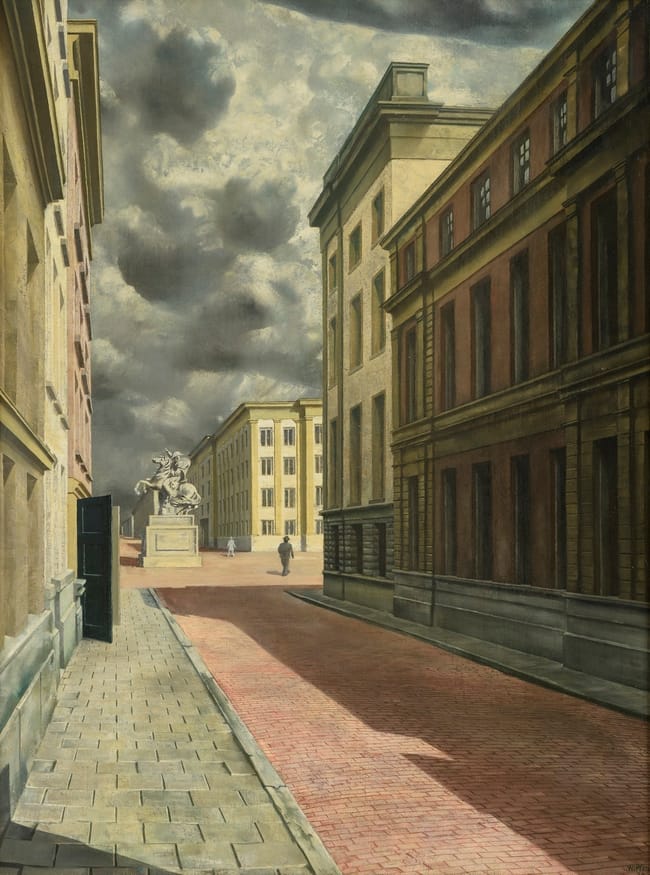
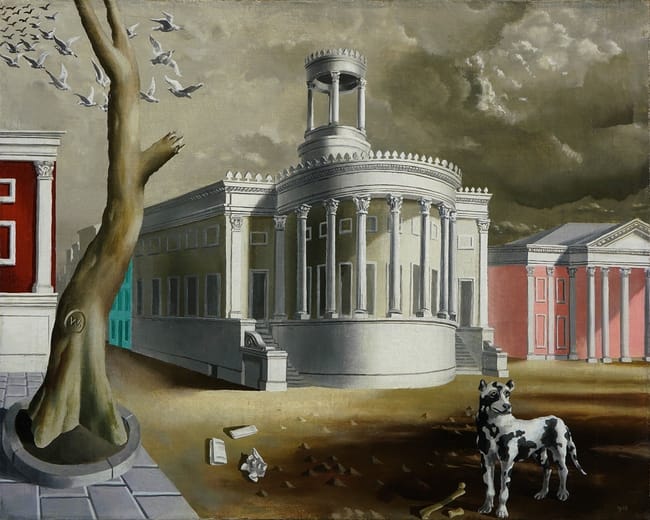
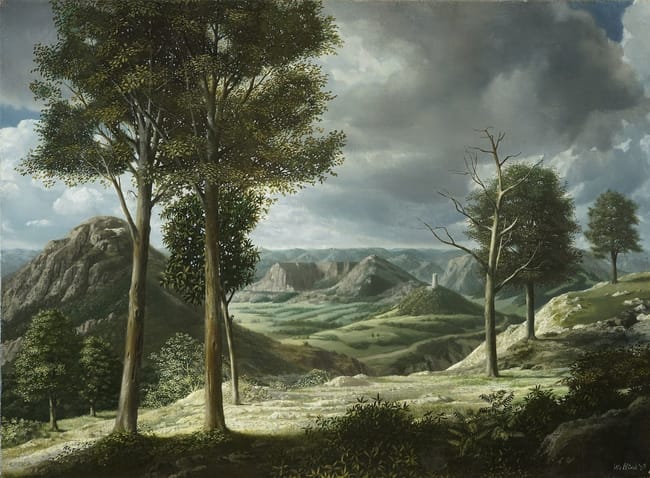
Through constant experimentation—and further study in Paris—Willink developed his own style. Inspired by the Italian painter Giorgio de Chirico, he created deserted streets, squares, and parks that became his signature. But he wanted more: excellence in precision and technical perfection. He showed immense ambition and patience, studying Old Masters from the 16th and 17th centuries whom he admired, such as Holbein and Vermeer. Rembrandt appealed less to him; he felt his work “smelled too much of sweat and blood.”
Female nudes in his work are never erotic, always aesthetic—perhaps even intellectual. Though, in his view, intellect did not necessarily help in painting: “When you paint, your mind is in the tip of your brush.” Willink also had a sense of humor and was sometimes described as an “amused pessimist.”
He is often seen as having an uncanny ability to anticipate historical events. Did his apocalyptic paintings from the anxious 1930s foresee the outbreak of the Second World War? The ominous atmosphere in his works certainly feels prophetic. After the war, he was often retrospectively regarded as a kind of seer.
In the 1950s and beyond, Willink continued to paint in a consistent style. The public admired him greatly, and captains of industry and society figures sought him out as a portraitist. He painted, among others, beer magnate Freddy Heineken and Queen Juliana.
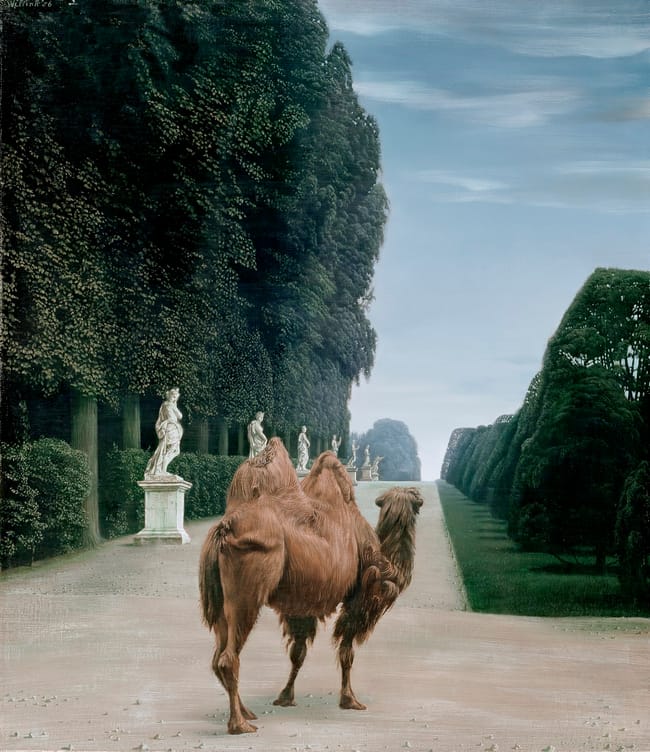
In his other works, exotic animals appeared—zebras, llamas, anteaters. One example is the well-known Camel in the Park of Versailles Camel in the Park of Versailles.
He brought the modern world into his own universe: nuclear power plants and atomic explosions combined with ruined temples and shattered statues. In his view, the threat of civilizational collapse always lingered. Yet the essence of his work was never political or moral: “The core of my work is a deadly love for reality.”